Qeema Iraqi Stew
Lamb and chickpeas measured dry before a refrigerated soak.
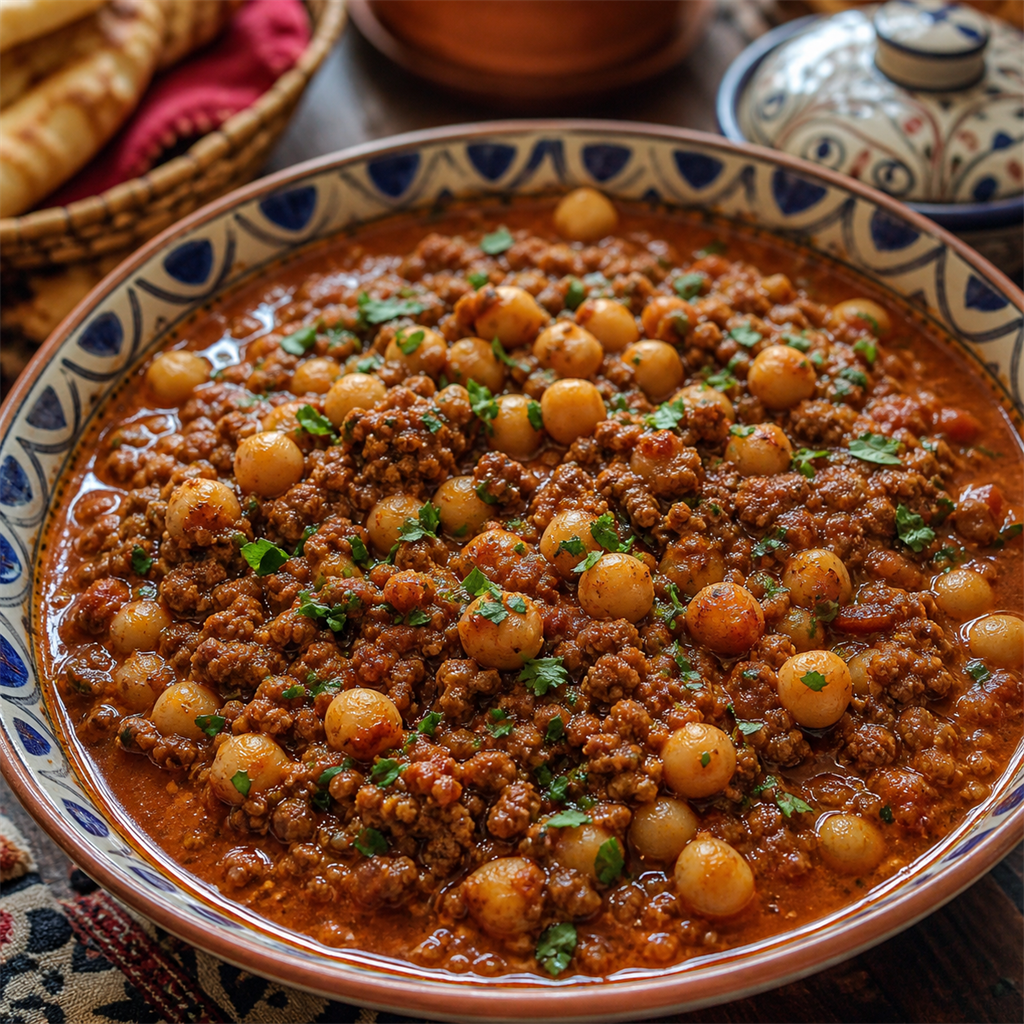
Preparation: 25 min · Cooking: 2 hr 50 min · Total: 27 hr 30 min · 2 servings
Ingredients
- 0.25 tsp Ground cardamom
- 240 ml Whole dried chickpeas, measured BEFORE soaking
- 200 g Raw boneless lamb, diced
- 3 tbsp Tomato paste
- 0.5 tsp Ground cinnamon
- 0.25 tsp Ground cumin
- 720 ml Fresh initial hot cooking water
- 1 tbsp Ghee
- Salt, to taste
- Separate soaking and rinsing water, discarded
- Additional boiling water, only if needed; measure additions (optional)
- Plain cooked rice, separately served (optional)
Instructions
Measure dry chickpeas and soak cold
Measure 240 ml whole chickpeas dry, BEFORE hydration, for the base two servings. Cover generously with separate process water and soak for 24 hours refrigerated at 4°C or colder. Hydrated volume is variable.
Measure dry chickpeas and soak cold: 86400 seconds
Drain and add fresh cooking water
Discard soaking water and rinse the chickpeas. Put them with raw lamb and the fresh measured 720 ml hot cooking water in a suitable pot.
Simmer lamb and chickpeas
Bring to a boil and reduce to a gentle simmer under the normal lid. Check from about 2.5 hours until chickpeas are fully cooked and soft and lamb is cooked and tender. Whole lamb guidance is 63°C plus 3 minutes rest; continue for tenderness. Maintain liquid with separately measured boiling top-ups.
Simmer lamb and chickpeas: 9000 seconds
Retain derived broth safely
Separate cooked meat and chickpeas from their derived broth with utensils or safe small portions. Keep broth hot for this continuous cooking session; do not hoist a massive hot pot. Retained broth is not another measured 720 ml water input.
Mash away from heat
Mash meat and chickpeas off heat with a sturdy suitable tool, beginning texture checks around 10 minutes. Protect against hot splashes; the desired texture is mashed and shredded, not gluten formation.
Mash away from heat: 600 seconds
Warm ghee and tomato paste
Warm the one measured ghee allowance over medium-low heat. Stir in tomato paste, checking from about 2 minutes without burning.
Warm ghee and tomato paste: 120 seconds
Return broth gradually
Combine cooked mash with the tomato base. Add retained hot broth gradually only to the intended thick consistency; do not force every drop back in. Refrigerate unused broth promptly in shallow portions and use within 24 hours.
Season and finish simmering
Season with cinnamon, cardamom, cumin and salt. Simmer over low heat from about 15 minutes, stirring to prevent catching. Serve hot with optional separately listed cooked rice.
Season and finish simmering: 900 seconds
Store safely
Cool promptly in shallow portions and refrigerate, aiming within 1 hour, at 4°C or colder. Use within 24 hours. This is a selected conservative household limit, not a validated shelf life.
Tips
- Ingredient quantities scale exactly; instruction amounts describe the base 2 servings. Cup = 240 ml, tbsp = 15 ml and tsp = 5 ml. Times are first checks, not readiness guarantees; use manageable batches and suitable vessels.
Common mistakes
- Keep raw meat and raw flour dough separate from ready-to-eat food. Do not taste raw dough, grain shells or meat. Distinguish initial liquid, discarded process water, derived broth and conditional additions.
Substitutions
- Only alternatives explicitly listed in this ingredient formula are included; do not restore ingredients from an older draft.
Storage
Cool promptly in shallow portions and refrigerate, aiming within 1 hour, at 4°C or colder. Use within 24 hours. This is a selected conservative household limit, not a validated shelf life.
Reheating
Reheat only the portion needed, at most once, to 74°C throughout. Check meat, filling and any soaked bread centres; rice leftovers must have been cooled quickly and used within 24 hours.
About this recipe
Qeema Iraqi Stew is presented as the owner's Iraqi household version. Specific ancient origins, health benefits and exclusive regional claims have not been independently authenticated.
Editorial approval does not establish independent kitchen testing. Check allergens and follow safe food handling.